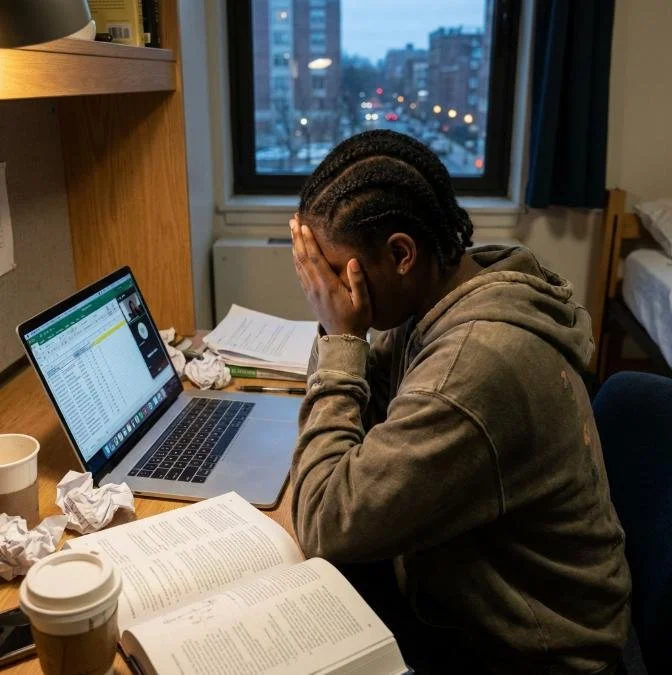

Back-to-School Anxiety in College and Graduate Students: Managing Stress, Expectations, and Change
/Why Going Back to School Can Feel So Overwhelming
For many college and graduate students, going back to school brings excitement, anticipation, and a sense of possibility. It can also bring anxiety. Returning to classes means adjusting to new schedules, academic expectations, social environments, and responsibilities—all at once. For students beginning college or graduate school, the transition can feel even more significant.
Back-to-school anxiety does not always look like feeling nervous about the first day. It may show up as difficulty sleeping, procrastination, irritability, racing thoughts, trouble concentrating, or feeling overwhelmed before the semester has even started. For some students, the pressure comes from wanting to perform well. For others, it may stem from uncertainty about friendships, finances, career plans, or whether they are “doing enough.”
Managing Academic Pressure and Expectations
College and graduate students often place significant pressure on themselves to succeed. Comparing grades, internships, research opportunities, career paths, or accomplishments with classmates can make it difficult to recognize your own progress.
Perfectionism can also contribute to academic anxiety. When every assignment or exam feels like it needs to be perfect, getting started can become harder—and procrastination can increase stress even further.
Instead of approaching the semester with the expectation that you need to accomplish everything at once, try focusing on what is manageable right now. Creating realistic goals, breaking larger assignments into smaller steps, and allowing yourself to make mistakes can help reduce unnecessary pressure.
Graduate School and the Pressure to Have a Plan
Graduate school can bring a different set of stressors. Students may be balancing coursework with research, internships, clinical training, employment, or family responsibilities. There may also be increasing pressure to make decisions about careers and the future.
It is normal not to have everything figured out. Graduate school is often a period of exploration and development, rather than a point at which you are expected to have your entire career mapped out.
Creating a Healthier Routine
A successful semester involves more than academics. Maintaining regular sleep, eating consistently, exercising, and making time for friends and activities outside of school can help support your overall well-being.
It can also be helpful to establish routines before stress becomes overwhelming. Rather than waiting until you feel burned out to take a break, build downtime into your schedule from the beginning of the semester.
When Back-to-School Anxiety Becomes More Than Typical Stress
Some anxiety during a transition is normal. However, if anxiety begins interfering with your sleep, relationships, academic performance, or ability to function day to day, it may be worth seeking additional support.
Therapy can provide college and graduate students with a space to explore anxiety, perfectionism, academic pressure, relationships, identity, and major life transitions. At Downtown Psychological Services, our clinicians work with students navigating the unique challenges of college, graduate school, and life in New York City.
Going back to school does not have to mean having everything figured out. Sometimes, managing the transition starts with giving yourself permission to adjust, ask for support, and approach the semester one step at a time.